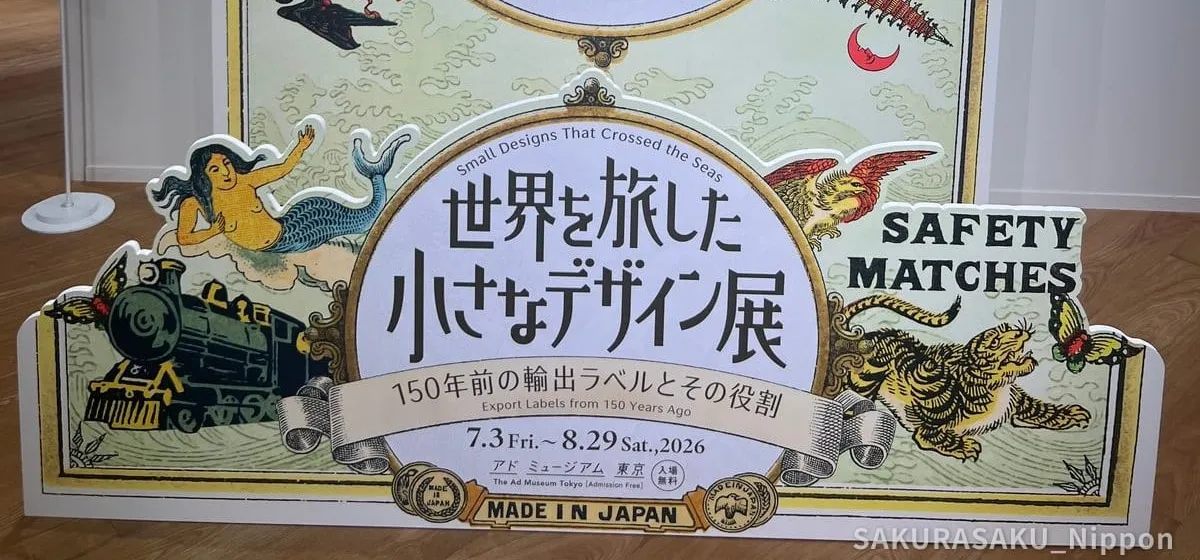
The Ad Museum Tokyo: Four Hundred Years of Japanese Advertising, and It Is Free
Here is a sentence that sounds like a joke and is not: one of the most interesting museums in Tokyo is about advertising, and it is free.
The Ad Museum Tokyo (アドミュージアム東京) lives in the basement of Caretta Shiodome. It has no famous painting, no queue, and almost no foreign visitors. What it does have is four centuries of Japanese people trying to persuade one another to buy things — which turns out to be a rather good way to watch a country change.
Why Advertising Is a Good Museum
Most history museums show you what the powerful wanted remembered. Advertising shows you something else entirely: what ordinary people wanted, and what they could be persuaded to want.
You can watch it happen along the walls here.
- Edo period — woodblock-printed handbills for kimono shops and medicine sellers, using the same craft, and often the same artists, as the ukiyo-e prints hanging in art museums across the world.
- Meiji and Taishō — the arrival of the poster, of Western typography, of the department store, and of the modern idea that a product should have a personality.
- Shōwa — the boom years, the television commercial, the jingle everyone in Japan can still sing.
- Now — screens, campaigns, and the things being sold to us this year.
It is, underneath, a social history of Japan told entirely through what was for sale.
For Visitors Who Read No Japanese
This is the honest question, so let me answer it directly.
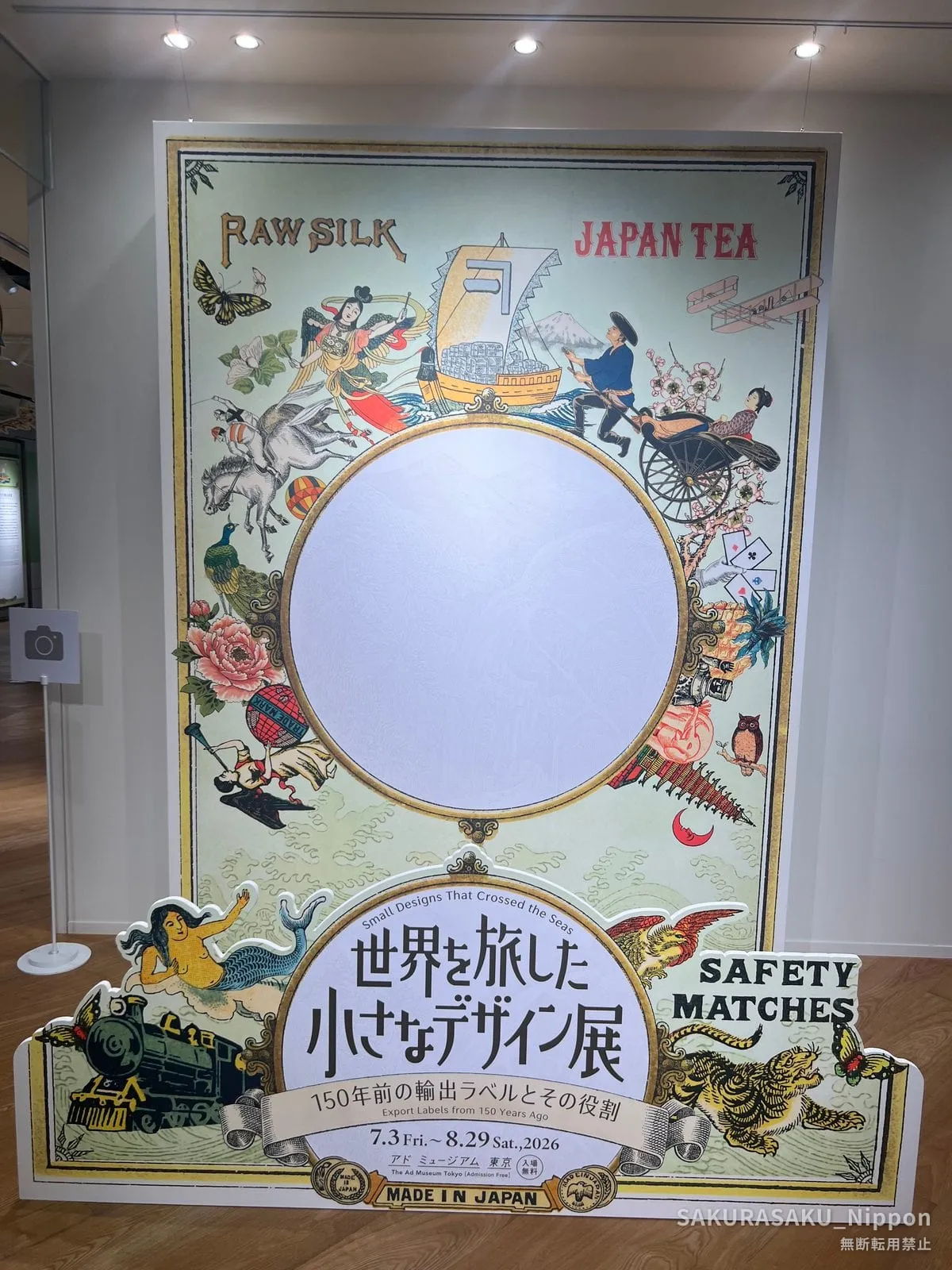
A good deal of the museum is visual — the Edo handbills, the posters, the packaging, the commercials — and much of it needs no translation at all. A poster from 1925 does its work on you whether or not you can read the slogan. The temporary exhibitions are often built around images, too.
That said, the detailed captions are largely in Japanese. If you want to read every panel, you will want a phone camera and a translation app. If you are happy to look, you will do fine, and you will still come out having understood something.
The Library, Which Almost Nobody Finds
There is also a library here, open to the public, holding advertising annuals, reference works and archives. If you happen to work in design, marketing or publishing, this is the part you will not want to leave — and it is one of the few specialist libraries in Tokyo that anyone can simply walk into.
Before You Go — Check the Days
The opening pattern is unusual, and it catches people out, so please note it carefully.
- Open: Tuesday to Saturday, 12:00–18:00
- Closed: Sunday, Monday and public holidays
- Admission: Free
A museum closed on Sundays is unusual in Tokyo, and it is exactly the day most travellers have spare. Please check the official site before you set out, as the hours and exhibition schedule do change.
→ Ad Museum Tokyo — official site
Make It Half a Day
The museum is small enough to see properly in an hour, which makes it the perfect second half of an afternoon.
Upstairs in the same building is Caretta Shiodome’s free viewing deck on the 46th floor — 200 metres up, no ticket, reached by a glass lift that starts inside the station. Look at the bay, have a weekday lunch by a window, then come down to the basement for the advertising.
And between the two, on floors 1 to 3, sits the Dentsu Shiki Theatre “Umi”, one of the Tokyo homes of the Shiki Theatre Company. A view, a museum and a musical, without once stepping outside.
Taking Some of It Home
The museum has no ticket to keep, so here are two things that carry the same pleasure out of the building.
Shōwa tin signs
The advertising of the Shōwa era — the bright, blunt, cheerful enamel and tin signs that once hung outside every shop in Japan — has become a design language of its own. Reproduction tin signs sell in sets, and a wall of them is an oddly effective piece of decoration: cheap, flat to post home, and instantly recognisable as Japan.
If the lettering is what caught you
Most people leave this museum thinking about the type. Japanese advertising has to handle three writing systems at once, and the results — the hand-drawn titles especially — are extraordinary.
Title Moji no Design is a Japanese design book about exactly that: how title lettering is arranged, combined and made to sit on a page. The text is Japanese, but it is a design book, which means it is mostly examples — and examples need no translation.
This one ships outside Japan. Amazon.jp will send it overseas; the international postage is shown at checkout, and your own country may add customs charges.
(Prices and availability change; correct at the time of writing.)
Practical Information
- Name: Ad Museum Tokyo (アドミュージアム東京)
- Where: Basement of Caretta Shiodome, 1-8-2 Higashi-Shimbashi, Minato-ku, Tokyo
- Admission: Free
- Hours: 12:00–18:00, Tuesday to Saturday
- Closed: Sunday, Monday, public holidays
- Stations: Shiodome (Toei Ōedo Line, Yurikamome); Shimbashi is a short walk
- Allow: About an hour, longer if you use the library
- Official site: admt.jp
Who Is This For?
Anyone in design, marketing or publishing, who will find an hour disappears here. Anyone curious about how Japan sold things to itself across four hundred years. And anyone caught in Shiodome on a wet Tuesday afternoon with nothing planned — which, honestly, is how most people find it, and none of them regret it.
Note: Opening days, hours and exhibitions change. Please check the official site before visiting.
Affiliate note: This article contains Amazon affiliate links. As an Amazon Associate, we earn from qualifying purchases at no extra cost to you.