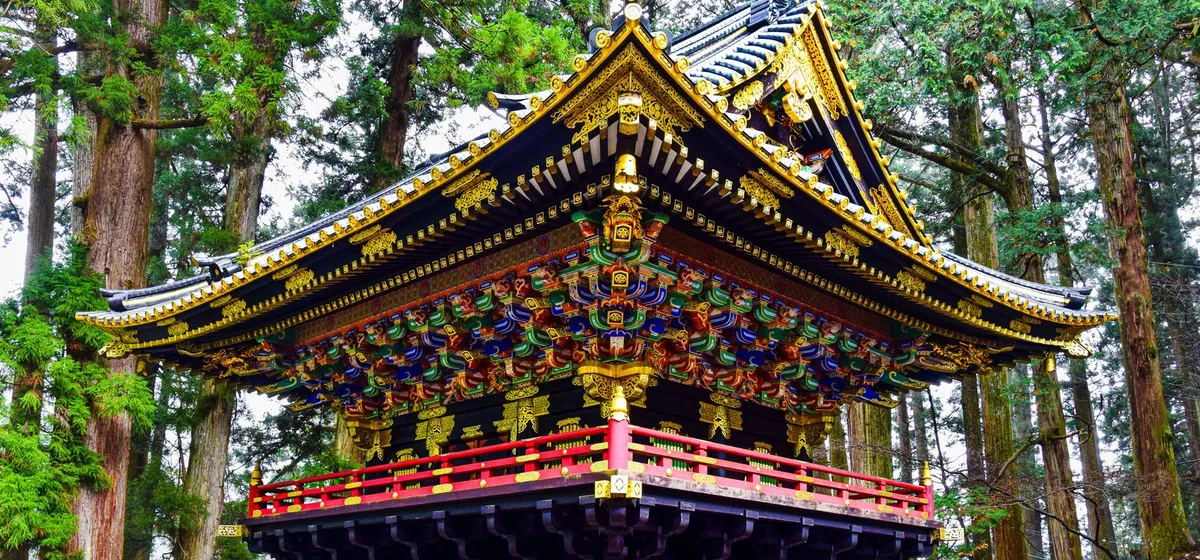
Nikko Day Trip from Tokyo: Shrines, Waterfalls, and Mountain Air
There is a well-known saying in Japan: “Never say kekko (wonderful) until you have seen Nikko.” It is an old joke, but it still carries some truth. Two hours north of Tokyo, Nikko offers golden shrines deep in a cedar forest, a sacred red bridge over a mountain river, and cool, clean air that feels wonderful after the heat of the city.
In this guide, I would like to share a simple one-day plan.
Getting There
The easiest way is the Tobu Limited Express (SPACIA) from Asakusa Station, which takes about 1 hour 50 minutes to Tobu-Nikko Station. Seats are reserved, so please book them a few days ahead if you can.
If you can, please leave Tokyo by 8:00am. Nikko rewards early visitors: the shrines are quiet, and you will have time for the lake in the afternoon.
Morning: Toshogu Shrine (9:30–11:30)
Nikko Toshogu is the resting place of Tokugawa Ieyasu, the shogun who unified Japan. Unlike the quiet, simple shrines you may know from Kyoto, Toshogu is gloriously decorated — hundreds of carvings, gold leaf everywhere, and the famous Yomeimon Gate, which people once called “the gate you can look at all day.”
Please look for two small carvings that everyone loves: the three wise monkeys (“see no evil, hear no evil, speak no evil”) and the sleeping cat (nemuri-neko).
- Entry: around ¥1,600 (please check the official site for current prices)
- The walk through the giant cedar trees is part of the experience
📍 Open in Google Maps: Nikko Toshogu
Midday: Shinkyo Bridge and a Yuba Lunch (11:30–13:00)
On your way back toward the station area, you will pass the Shinkyo Bridge, a sacred vermilion bridge standing over the Daiya River. It is one of the most photographed spots in Nikko, and it costs nothing to admire from the road.
For lunch, please try yuba (tofu skin), the local specialty of Nikko. It sounds plain, but a good yuba set meal — served in delicate layers with rice and soup — is quietly delicious. You will find yuba restaurants along the main street between the station and the shrines.
📍 Open in Google Maps: Shinkyo Bridge
Afternoon: Lake Chuzenji and Kegon Falls (13:30–16:00)
From the shrine area, a bus climbs the famous Irohazaka winding road (48 hairpin curves) up to Lake Chuzenji, a calm mountain lake at 1,200 meters. The ride takes about 45 minutes and the views keep improving as you climb.
The main sight here is Kegon Falls, where the lake water drops 97 meters in a single, dramatic column. An elevator (around ¥600) takes you down to the observation platform at the bottom — it is worth it.
- In summer, the lake area is pleasantly cool — often 10 degrees cooler than Tokyo
- In late October, the autumn colors here are among the most famous in Japan (and the road becomes very crowded)
📍 Open in Google Maps: Kegon Falls
Evening: Return to Tokyo
Take the bus back down to the station (please allow extra time in autumn) and catch a late-afternoon express home. Arriving back in Asakusa around 19:00 feels just right.
Practical Tips
- A weekday visit is much calmer, especially in October and November
- The mountain area is cooler than the city — a light jacket is useful even in summer
- Cash — some temple counters and small restaurants accept cash only
- Transport passes that cover the train and local buses are available; please compare them for your route before you go
The NIKKO PASS bundles the round-trip train and unlimited local buses

Budget (approximate)
| Item | Cost |
|---|---|
| Train (round trip, express) | ¥6,000–7,000 |
| Toshogu entry | ¥1,600 |
| Kegon Falls elevator | ¥600 |
| Lunch | ¥1,500–2,000 |
| Local buses | ¥1,500–2,500 |
| Total | Around ¥11,000–13,500 |
Note: Prices, hours, and transport details may change. Please check the official sites before your visit.