Buying Matcha in Japan: An Honest Guide to Grades, Prices, and the Real Thing
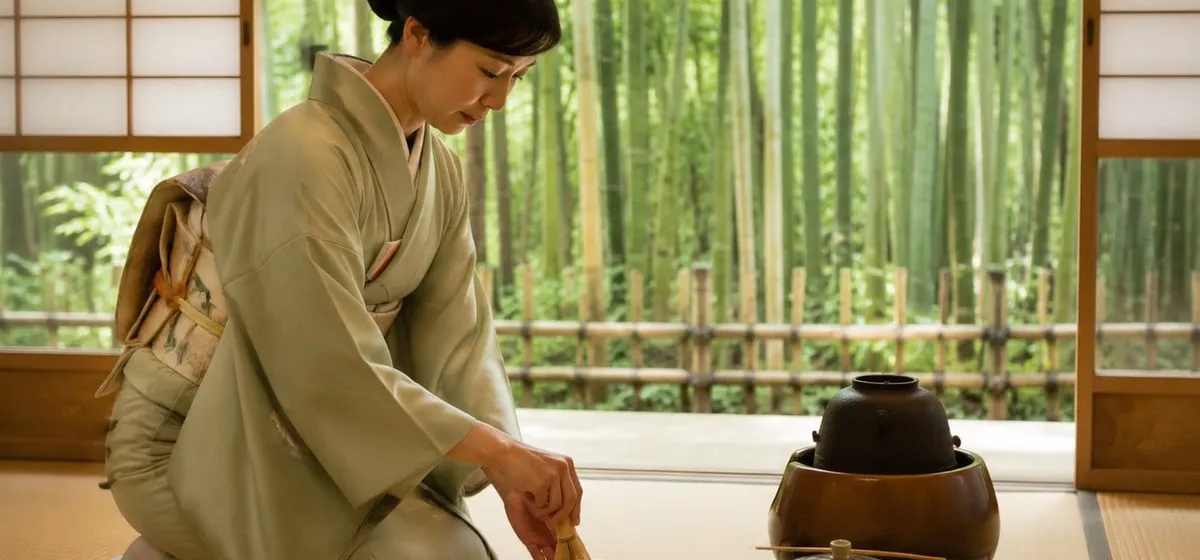
At supermarkets in tourist areas, I am often stopped by visitors asking me which matcha they should buy. So let me say this kindly, and early: the traditional, top-grade matcha you are hoping for is not on the supermarket shelf. It is not there — and understanding why will help you bring home something you will truly love.
Grade Changes Everything
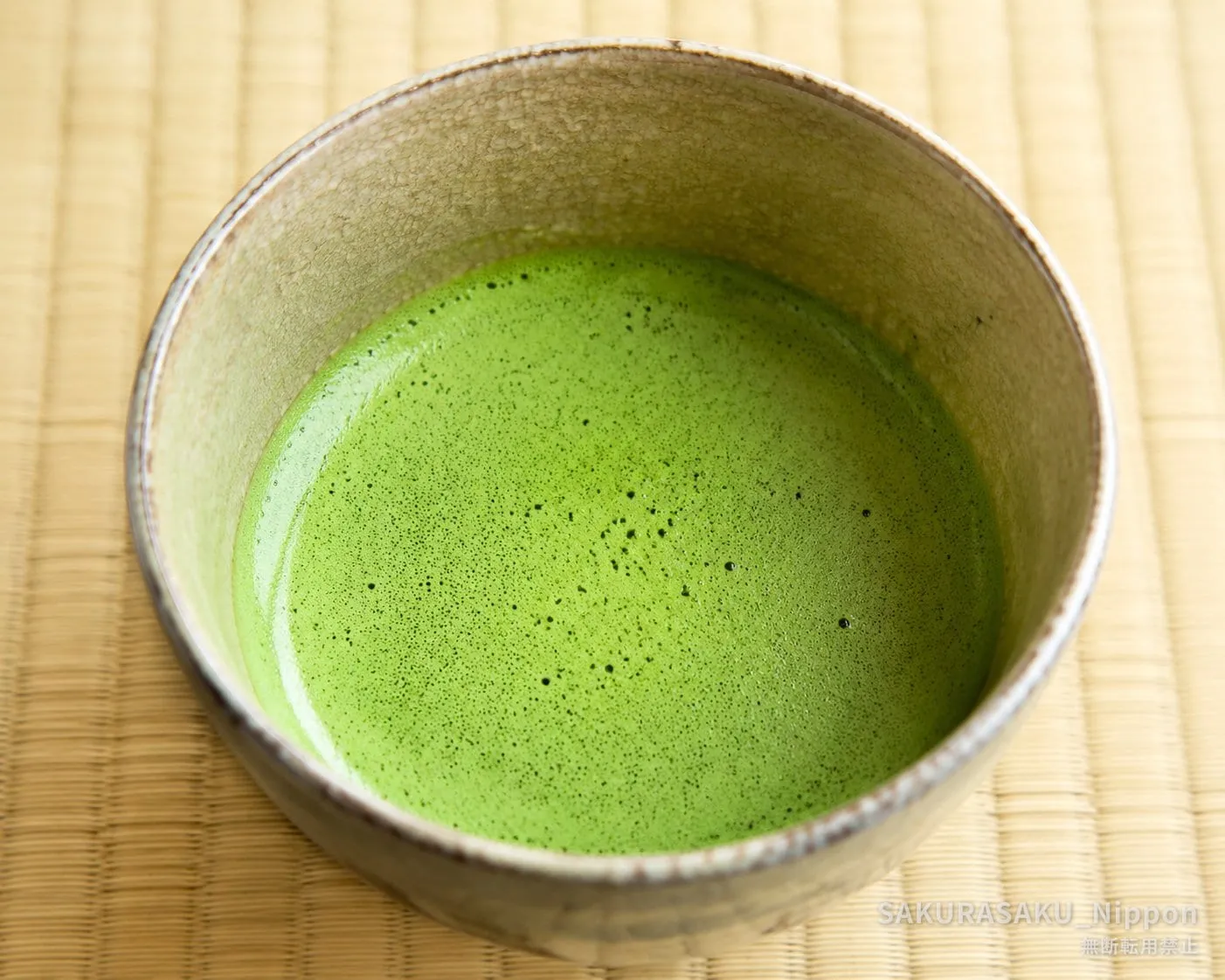
With matcha, the word on the tin matters far less than the grade, and grades differ enormously in price and quality. Two green powders that look almost identical can be worlds apart in taste. This is the single most important thing to understand before you buy: you are not really choosing a brand, you are choosing a grade.
The Very Best Is Genuinely Rare
The highest grade — the ceremonial matcha used in a traditional tea gathering — is produced in very small quantities. It simply does not reach ordinary supermarkets. Even at specialty Japanese tea shops, the finest grades are often sold in limited amounts each day. If you find a small tin that feels almost too special, that is usually a good sign; if a large tub is stacked high and cheap, it is made for something else.
A Simple Price Guide (by How You Will Use It)
The easiest way to choose is to decide how you will drink or use it, and buy to match. As a rough guide, by weight:
| How you will use it | Rough price guide |
|---|---|
| To taste matcha’s true umami, prepared the traditional way | from about ¥100 / gram (around $1 / g) |
| For a casual matcha latte | about ¥50 / gram (around $0.5 / g) |
| For baking (cookies, cakes, sweets) | about ¥10 / gram (around $0.1 / g) |
There is no shame in the ¥10/gram powder — it is exactly right for a cake. But please do not buy the cheapest tin expecting the quiet, sweet depth of a proper bowl of tea. And if you want that proper bowl, please be ready to pay for the real thing.
After You Buy: Look After It
Good matcha is delicate. Stored the wrong way, it oxidizes quickly and loses its flavor within a short time. Please keep it:
- Sealed and airtight, away from air
- Cool and dark, away from heat, light, and strong smells
- Used fairly soon after opening — matcha is not something to keep for years
Treat it like a fresh food, not a pantry staple, and it will reward you.
Where to Buy
Even though the very best matcha is hard to buy in person at a specialty shop, high grades are readily available online — from everyday and latte grades all the way up to true ceremonial matcha.
And here is the practical truth about the highest grades. Because they are limited even at specialty shops — often only a small amount sold each day — buying the very best in person, during a short trip, is genuinely difficult. The good news is that you do not have to. Real, top-grade ceremonial matcha from respected Uji houses is available online, and you can have it delivered to your hotel or shipped home. Honestly, for a visitor, that is the most reliable way to bring home the real thing.
One example is Tenju from Marukyu Koyamaen, one of the old Uji houses — a genuine ceremony-grade matcha. The price alone tells you how far apart the top grades really are.
This shop ships internationally. If you would rather not carry a tin home, or if you only discover matcha after your trip, you can have it sent to your own address abroad.

Marukyu Koyamaen Matcha, Tenju (天授) — 20 g tin
View Marukyu Koyamaen Tenju matcha (20 g) on Amazon.jp
Price and stock may change. Figures are from the time of writing.
How to Have It Delivered to Your Tokyo Hotel
Amazon Japan and Rakuten can both deliver your order directly to the hotel where you are staying — a good way to buy without carrying it around. Ordering a few days before your flight home works well, and you can receive it at the front desk. When you order, please set the shipping address to your hotel, and add the hotel name and your guest name as it appears on the reservation.
- Please check with your hotel in advance that they accept packages for guests
- On Amazon.co.jp, the English display toggle is at the top right of the screen. Rakuten is a Japanese-language site, so your browser’s translation feature is the easy way through
Who Is This For?
Anyone who has stood in front of a wall of green tins and felt unsure. Now you know the secret: choose by grade and by how you will use it, look after it well, and — for the truly special stuff — look beyond the supermarket. Do that, and matcha becomes one of the most rewarding things you can carry home from Japan.
Try Making It, Before You Buy a Tin
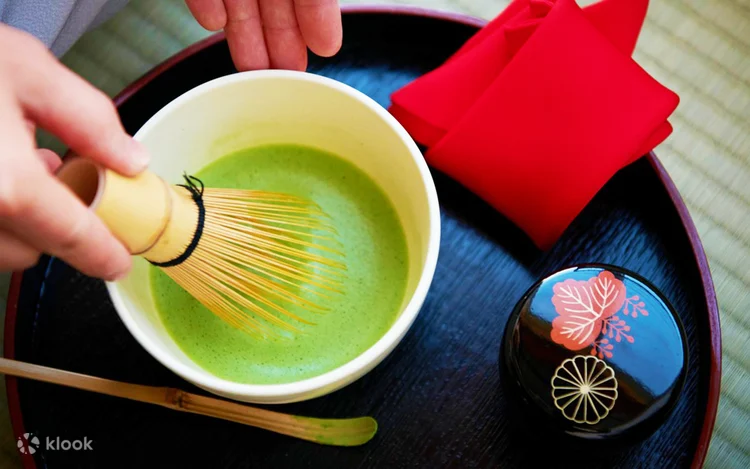
Before you carry a tin home, it is worth spending an hour on the other side of the whisk. In Tokyo there are tea ceremony sessions that pair the bowl with the wagashi it is meant to be drunk with — which is the point of the sweetness, and hard to understand from a photograph.
Tokyo: Tea Ceremony & Japanese Traditional Sweets
Affiliate note: This article contains Amazon, Rakuten and Klook affiliate links. As an Amazon Associate, we earn from qualifying purchases at no extra cost to you.